An ideal American adventure does not need to make people choose between urban and rural experiences. Major American cities showcase the country's scale and cultural impact. On the other hand, the natural world offers dramatic experiences that man-made structures never can, such as the ocean, mountains, deep canyons, sandstone arches, and the geothermal activity of Yellowstone. America is large so the best first-time itineraries include both urban and natural attractions.
Driving is not just a practical way to travel. It becomes an integral part of the trip. The United States is massive and the things to see are widely spaced making the long drives just as enjoyable as the stops along the way. Unlike many places that have congested road travel, the United States has long, open highways that provide a sense of space and freedom to move. The open highways also provide a place to drive your motorhome, for families to experience a road trip, and to tow a boat. Self-drive travel allows the passengers to set their own pace so they can travel with children or older individuals without constantly racing against the clock.
An ideal journey is more like a story than a collection of experiences. The pace should be just right so the journey is not too fast or too slow. Every day should include a mix of activities, good food, and restful stops. There should be a good blend of popular attractions and some that are less well known. Most importantly, the journey should always put safety first.
When traveling, planning is necessary. Short, boring, driving days are a result of missed sites and high costs due to improvisation. It is easy to find travel documents online, but some resources, like travel diaries, and itineraries, don't translate efficiently to the road. When travelers use an itinerary expert, they should make sure to explain their priorities, budget, and travel habits clearly.
For every day of a trip, there should be at least one highlight. If a long driving day really cannot be avoided, try to make the day more enjoyable by including things like lunch, a winery, shopping, or a quick stop at an attraction instead of treating the whole day like a driving day. When driving is split up into sections to make it more manageable, four hours of driving feels like significantly less than four. It is best to have two capable drivers for long, difficult areas. When driving at night, it is best to be clear of chip areas, especially mountainous ones.
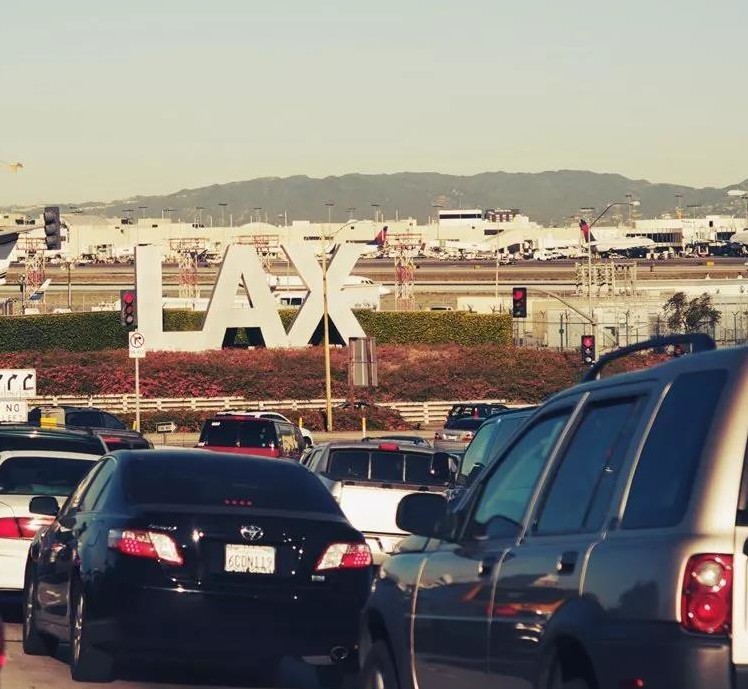
Traffic is a major concern when it comes to driving in cities. City driving is completely different, and requires more caution, than driving in rural areas. Open road energy should be saved for the countryside.
The route and your travel preparations are equally important. Pay attention to mobile reception as it may drop in national parks and take an external battery. For navigation, travel guides, translations, and even music and restaurants, download the corresponding mobile applications before the trip. If you are in a foreign country and there are Chinese restaurants, it may be worth it to check out the Chinese restaurant review app, otherwise, you can use Yelp. Check and recheck your passport, driver's license, and any translations or notary documents that you may have to submit. If you forget your driver's license in your parked car or hotel, you may lose a lot of time and have to pivot your plans for the day.
One great route starts in Los Angeles and ends in Salt Lake City. It combines big cities, parts of Route 66, and a large section of the American Southwest and the Rocky Mountain west. The plan is as follows: Arrive in Los Angeles, spend a day there, drive from Los Angeles to Las Vegas, spend a day in Las Vegas, drive from Las Vegas through Williams on Route 66 to the Grand Canyon's South Rim and then to Flagstaff, then drive from Flagstaff to Antelope Canyon, Horseshoe Bend, and Monument Valley;
from there to Arches National Park and then to the Green River; then to Idaho, and from there via Jackson and Grand Teton to Yellowstone, ending at West Yellowstone; spend a day in Yellowstone and then head to Billings; from Billings cross the Beartooth Highway and into the Roosevelt area of Yellowstone to Idaho Falls; from there to Salt Lake City; and then head back.
America is more than a list of attractions. This route begins with film and entertainment culture in Los Angeles and the spectacle of Las Vegas, and works its way across the American landscape to its most powerful natural attractions. Plus, this route handles the myth of the road trip well. It honors the memory of one of the first highways to cut across America from east to west. That road carries the memory of the American migrations for work, its hardships, and the freedom that the open road offers to the wage slave. In popular imagination, the road beckons and inspires the old west cowboy fantasies of popular culture.
There are other reasons for designing the route towards the northern end through Salt Lake City, including that Yosemite National Park opens seasonally and that the route is designed so that the major natural attractions are saved for later in the journey. This means the trip builds an increasing anticipation rather than peaking too soon.
In the same vein, Idaho's two visits are practical. It is a useful rest stop before the more popular, and after a few days of driving it can be more valuable than fitting in attractions before arriving at the more popular attractions at Yellowstone National Park.
Travelers wanting a true experience with the Grand Canyon National Park should choose the South Rim over the West Rim. The West Rim is within tribal land and is more restrictive and easier to visit quickly. The South Rim has better views and services to accommodate more visitors. The Colorado River might appear small from the edge of the canyon, but it is a major supplier of water to Las Vegas and Southern California.
Antelope Canyon provides a very different and unique experience. This canyon has walls that are shaped by red sandstone and sculpted from extreme flooding. These walls provide unique and lifelike formations making it a bucket list location for photographers.
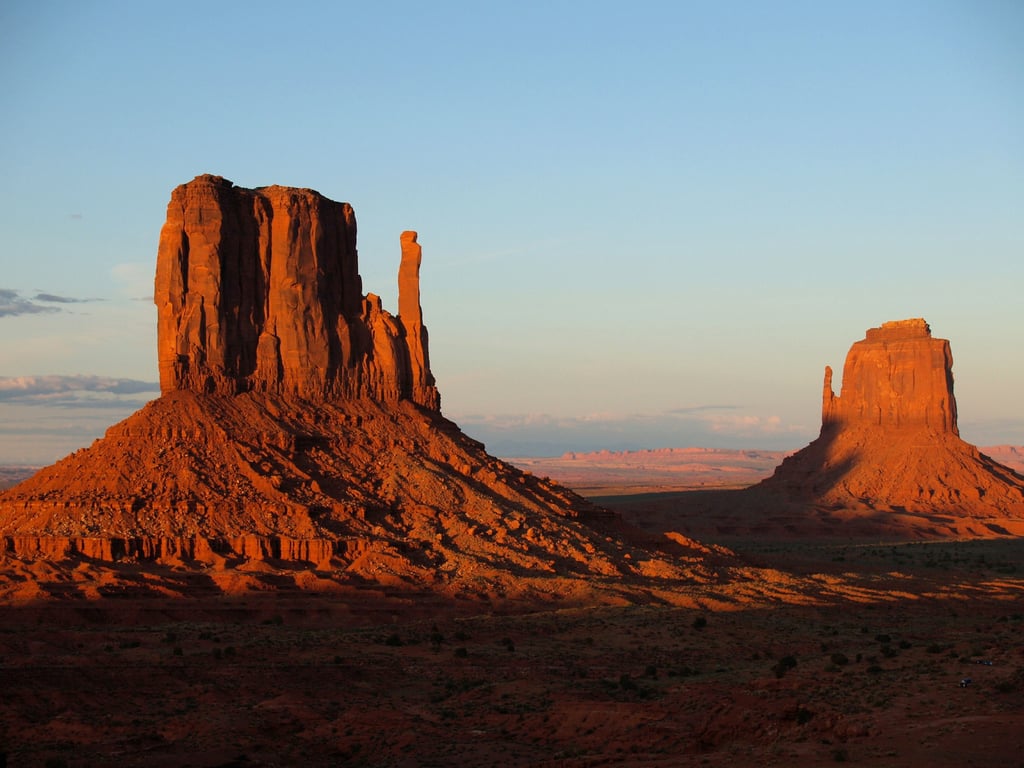
Monument Valley features the default viewpoint of the American West. The sandstone buttes have been featured in so many movies that they are synonymous with the American Frontier. Many travelers recall a famous movie scene where a long-distance runner stops and turns around instead of running home.
Arches National Park is very similar to the aforementioned locations. It has a massive sandstone arch located in a desert. There are stunning views of the monument and neighboring mountains from almost every angle. It's one of those places that the most popular pictures will still amaze visitors.
Grand Teton and Yellowstone offer the trip's big finish. Yellowstone isn't a monument;
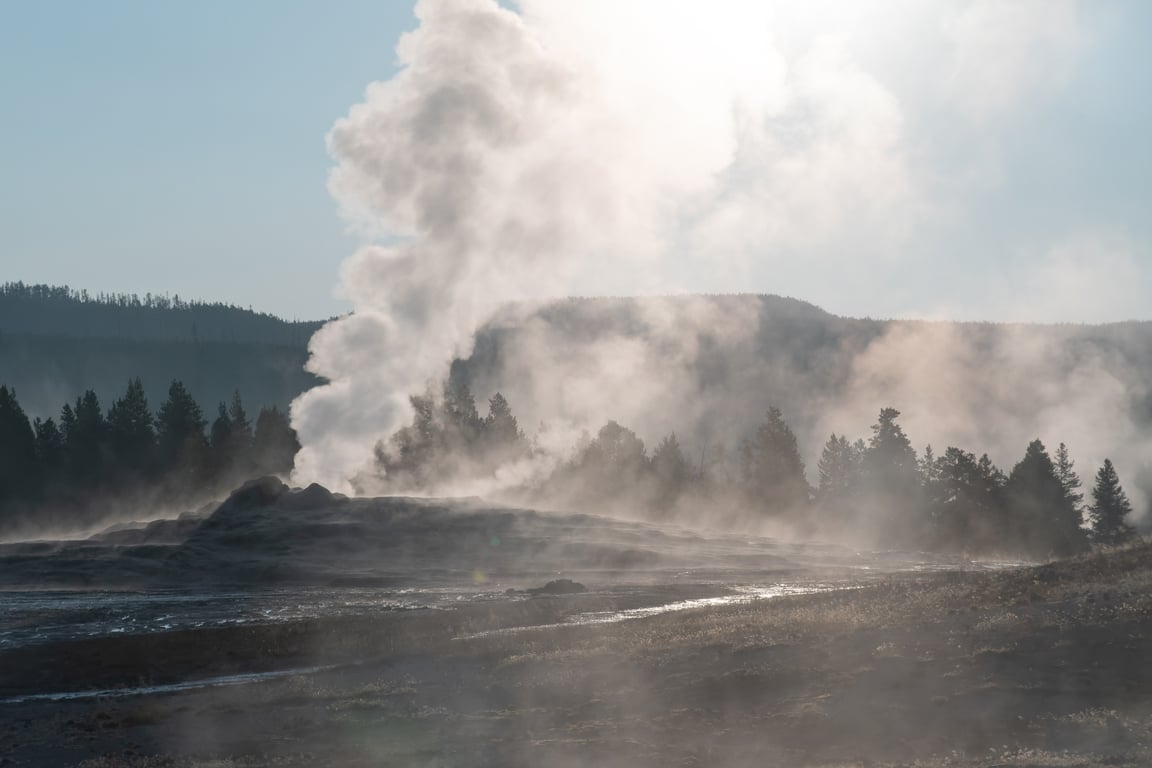
it’s a geothermal system that has been altered by the forces of volcanism. Its lake is inside a volcanic caldera, and the park is in a zone of active volcanism. Geological activity alters the park's features — springs, terranes, and microbes. Each of these features contributes to a changing landscape. A classic example is Mammoth Hot Springs. Following an earth movement event in 2002, many of the waters dried up and the colorful microbial life diminished leaving the terraces pail and stark. The result is a landscape of beauty that is also fragile and temporary. This is more reason for the visit not to be postponed for an extended period.
Inside Yellowstone there are three options for staying overnight: camping, cabins, and hotels. Of the three options listed, camping provides the most access to the outdoors. Yellowstone has 12 campgrounds. 5 of them can be reserved: Canyon, Grant Village, Bridge Bay, Madison, and Fishing Bridge RV, which is a campground for RVs only. If you are self-driving, that leaves the first four as the most suitable options. These campgrounds are outfitted with flush toilets, and Canyon and Grant Village have showers. There are places to rent tents, sleeping bags, and air mattresses in Jackson, but it is not uncommon to find that renting is more expensive than purchasing. Your warmth is dependent on serious consideration.
In Yellowstone, official channels allow you to book hotels and cabins in the park. Since demand is extremely high, you may need to book around 6 months in advance. If there are no rooms available, you can check back frequently as cancellations are common. Yellowstone is an enormous park, and time is wasted when you have to leave and re-enter the park each day. The experience minutes away from geysers and thermal features, and starry night skies will definitely be worth it as opposed to being located far away in a roadside town.
Old Faithful, Grand Prismatic Spring, and the Upper and Lower Falls are some of the most popular sites in Yellowstone, but don’t forget about the Beartooth Highway. This park is a little less obvious because it doesn’t open usually until early June because the first snowfall of the season comes by mid to late September. It is a narrow highway with steep slopes and tight turns.
The route begins near Billings and continues to Beartooth Highway, continues to the Northeast Entrance of Yellowstone, and ends in the Roosevelt area. The road is very steep then opens to an area with many crystal clear, flower filled lakes amongst a sea of clouds. The remoteness of the area is part of its charm. You will have to drive carefully to prevent large vehicles from utilizing the road. For confident drivers, the road can create many lasting memories from the trip.
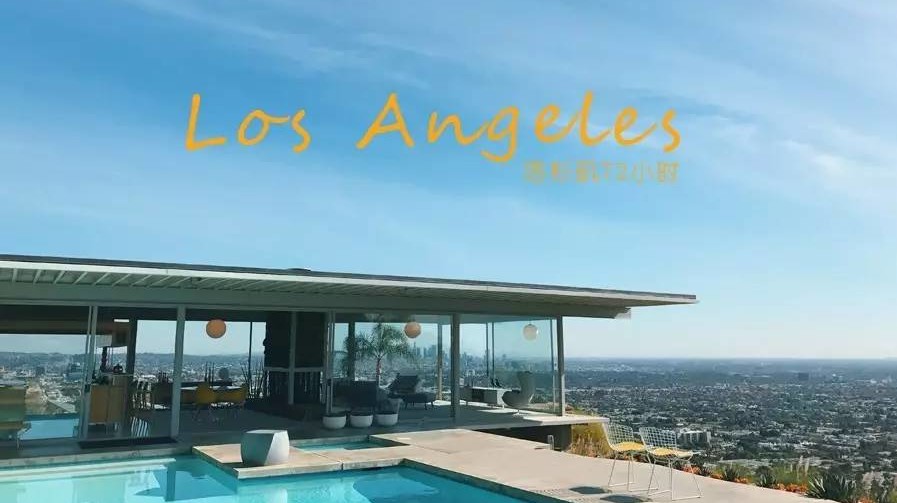
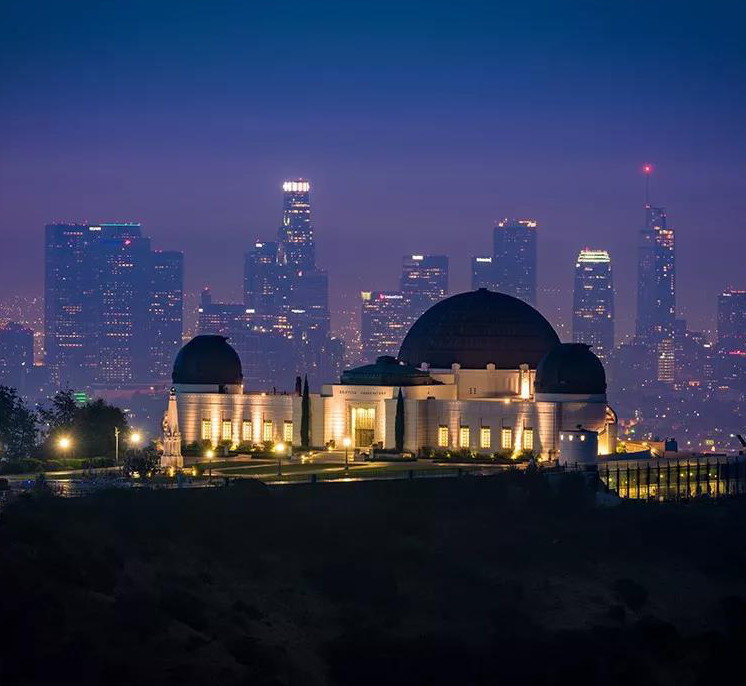
The key cities on this route include Los Angeles, Las Vegas, Idaho, and Salt Lake City. Los Angeles is especially important as the city is synonymous with the film industry. Various locations such as Universal Studios, Warner Bros. Studios, the Walk of Fame, and Griffith Observatory connect to this identity in different ways.
If you only have time for one attraction in Los Angeles, you should go to Universal Studios. Unlike Disney, which has a fairy-tale vibe, this is an amusement park with a realistic film and TV production theme catering to all ages. You can walk through a number of film franchises and gain insight into how screen entertainment is produced. Some of the most popular rides, which are usually the busiest, are Transformers, Revenge of the Mummy, Jurassic Park, The Wizarding World of Harry Potter, The Simpsons, Despicable Me Minion Mayhem, WaterWorld, and the studio effects experience. Rides based on films are also available. If you plan to ride a bunch, you'll want to prioritize based on popularity. Once you go on a ride, it can be hard to get back in line, and with long waits you’ll be stuck there. People who get car sick should also choose wisely. There are also a lot of simulator rides, which can also be intense, so choose carefully. Arriving an hour or more before the park opens will make a big difference in how many rides you can go on. The price of tickets and the rules around them, including age restrictions and height requirements, can change so check them before going.
If you have two more days, consider adding the California Highway 1 trip to your itinerary. This coastal drive features the Pacific Ocean on one side and stunning land attractions on the other. There are many places to visit like Big Sur, 17-Mile Drive, Danish Village, Santa Barbara, and Carmel. It would be a great addition to the national park drive.
Santa Barbara is a nice contrast to Los Angeles. It's more laid back and has a beautiful environment that makes it a nice stop. Santa Barbara even has a connection to the Neverland Ranch, where Michael Jackson lived.
One of the best road trips in America is not defined by distance, but by how the road seamlessly creates an experience. Starting in Los Angeles, then Las Vegas, through the beautiful deserts to the magnificent geothermal features of Yellowstone, there is so much to see. Be prepared to drive and slow down when needed to take in the scenery.